

 EN
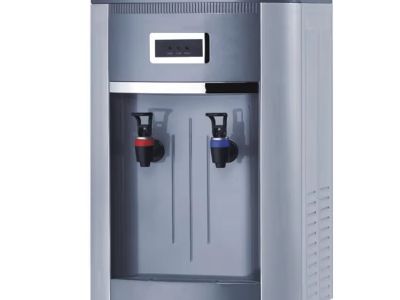
Understanding the differences between undersink and countertop water purifiers is essential for making an informed choice for home use. Each type has unique features, installation requirements, and maintenance considerations that can significantly impact performance and user experience. We will explore the key factors that differentiate these two popular water purification options, helping you identify which system aligns best with your needs. This knowledge will aid purchasing managers, distributors, and engineers in making a more strategic decision.
Understanding Undersink vs Countertop Water Purifiers for Home Use
Undersink water purifiers are installed beneath a sink, typically connected directly to the plumbing. This allows for a more permanent solution that can filter water on demand without taking up counter space. They often have higher filtration capabilities and can remove a wider range of contaminants, making them suitable for households with specific water quality concerns.
Countertop water purifiers, on the other hand, are standalone units placed on the counter and connected to the faucet via a hose. They are generally easier to install and can be moved around as needed. While they may not offer the same level of filtration as undersink models, many countertop water purifier with hot water still effectively reduce common contaminants, making them a viable option for users seeking convenience and portability.
How to Choose Between Undersink and Countertop Water Purifiers?
When deciding between undersink and countertop water purifiers, consider factors such as installation requirements, available space, filtration needs, and budget.
Space and Aesthetics: If kitchen space is limited, an undersink model can provide a sleek, clutter-free appearance, while a countertop model might take up valuable workspace.
Filtration Needs: Assess the specific contaminants present in your water supply. Undersink purifiers typically offer more extensive filtration systems, including reverse osmosis and multi-stage filters, which can address a broader spectrum of impurities.
Installation and Maintenance: Undersink systems often require professional installation, whereas countertop units can be set up quickly without special tools. Maintenance frequency and filter replacement costs should also factor into your decision, as undersink units might require more frequent servicing.
Budget: Consider both initial costs and long-term expenses. While undersink whole house water purifier may have a higher upfront cost, they often provide better value over time due to their efficiency and longer-lasting filters.
Undersink vs Countertop Water Purifiers
Undersink Water Purifiers
Installation: Requires drilling and connecting to the plumbing, which may necessitate hiring a professional.
Filtration: Often includes multiple stages of filtration, including sediment, carbon, and possibly reverse osmosis, providing comprehensive contaminant removal.
Capacity: Generally has a larger capacity for filtered water storage, making it suitable for larger households.
Maintenance: Requires regular filter changes and system checks, which can be more complex than countertop units.
Countertop Water Purifiers
Installation: Simple setup, usually requiring no special tools. Most units connect directly to the faucet.
Filtration: Typically uses carbon filters and may offer additional filtration methods; however, they may not reach the same level of contaminant removal as undersink systems.
Portability: Easy to move and store, making them ideal for renters or those who relocate frequently.
Maintenance: Generally easier to maintain with straightforward filter replacements.
Installation Guidance for Undersink and Countertop Purifiers
Undersink Installation
Tools Required: Common tools include a wrench, drill, and screwdriver. Ensure you have all necessary components from the manufacturer.
Process: Shut off the water supply, drill a hole for the faucet if necessary, and connect the purification system to the water line. Follow the manufacturer’s instructions carefully to ensure a proper seal and prevent leaks.
Testing: After installation, check for leaks and test the water flow to ensure the system operates correctly.
Countertop Installation
Setup: Unbox the unit and find a suitable location on the counter near the faucet.
Connection: Attach the hose to the faucet, usually requiring an adapter if the faucet is non-standard. Most systems come with easy-to-follow instructions.
Testing: Turn on the faucet to check for leaks and ensure that water is flowing through the purifier.
Common Problems with Undersink and Countertop Water Purifiers
Undersink Purifiers
Leakage: Improper installation can lead to leaks. Ensure all connections are secure and check seals regularly.
Clogged Filters: Over time, filters can become clogged, leading to reduced water flow. Regular maintenance and timely filter changes are crucial.
Space Limitations: Installation may not be feasible in all kitchen configurations, particularly those without sufficient under-sink space.
Countertop Purifiers
Limited Filtration: May not remove certain contaminants as effectively as undersink models. Evaluate water quality needs before purchase.
Space Consumption: Can take up counter space, which may be a concern in smaller kitchens.
Hose Issues: The connection hose might become a tripping hazard or get damaged over time, so it’s important to ensure it is secured.
By understanding the distinctions between undersink and countertop water commercial water purifier, buyers can make a more informed decision that aligns with their specific needs and circumstances. Evaluating installation requirements, filtration capabilities, and potential issues will lead to a more successful purchasing experience.